
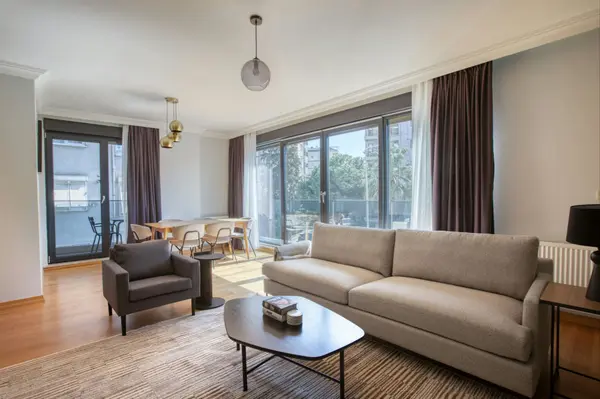
Top Residential Properties in South Elgin: 2026 Market Insights
South Elgin combines Fox River scenery with steady suburban growth that continues into 2026. According to U.S. Census QuickFacts, the village recorded about 24,755 residents in 2020, supporting broad demand across single-family homes and townhomes. Residential streets near McLean Boulevard, Randall Road, and State Street connect established subdivisions with newer communities and commercial corridors. Detached homes, duplexes, and river-adjacent townhomes offer entry options for a range of budgets. This guide highlights how South Elgin residential properties perform and which locations stand out heading into 2026.
What defines the 2026 landscape for South Elgin residential properties?
Growth in South Elgin has reshaped the mix of housing over the past decade. Detached homes remain dominant along streets such as Suzanne Drive, North Lancaster Lane, and West Spring Street, while attached townhomes cluster near Randall Road and Bowes Road. According to Redfin data through early 2026, closed-sale prices for most South Elgin residential properties fall in the approximate range of $280,000 to $480,000, depending on age, size, and proximity to Fox River amenities.
Buyer interest is supported by accessible commuting patterns. The Elgin Metra station on the Milwaukee District West Line sits roughly 4 to 5 miles north along Route 31, giving South Elgin residents rail access toward downtown Chicago. According to Walk Score, South Elgin posts an overall Walk Score near 34, which reflects auto dependence but also highlights walkable pockets around Randall Road retail, Panton Mill Park, and the historic riverfront near North Water Street.
Local amenities increase lifestyle appeal. The Fox River Trail runs along the eastern edge of town, connecting SEBA Park, Blackhawk Park, and the Fox River Trolley Museum. Restaurants such as Portillo's on Randall Road and local spots near South Elgin Boulevard create evening activity centers. According to the Village of South Elgin Parks and Recreation department, more than 20 parks and open spaces punctuate the community, anchoring residential neighborhoods with playgrounds, athletic fields, and river overlooks.
Which South Elgin neighborhoods and streets stand out in 2026?
Several subdivisions consistently attract attention from buyers comparing South Elgin residential properties. The area around South Elgin High School, including Raymond Street and Kane Street, offers established single-family homes within walking distance of athletic facilities and Panton Mill Park. West of McLean Boulevard, communities near Concord Avenue and Cobblers Crossing Park blend cul-de-sacs, mature trees, and quick access to retail centers along the Randall Road corridor. According to Realtor.com, inventory in these pockets often runs below 2 months, creating competitive conditions.
Evening walks along North Water Street near Panton Mill Park bring the sound of water sliding past the Fox River dam and the faint clatter of freight trains crossing in the distance. The scent of grilled food from riverfront gatherings drifts across the path, while lights from the South Elgin Village Hall and nearby SEBA Park pavilion reflect on the water’s surface. This riverside atmosphere enhances demand for townhomes and single-family homes located within a short stroll of the trail system.
Southwest South Elgin offers comparatively newer construction. Subdivisions near Middle Street, Sundown Road, and Hopps Road often feature open-concept floor plans, three- or four-bedroom layouts, and attached two- or three-car garages. According to current listings tracked by Zillow in early 2026, many of these properties cluster between roughly $350,000 and $550,000. Larger homes near the border with Elgin and St. Charles occasionally reach or exceed $700,000, particularly those backing to wooded preserves or detention-lake views.
How do schools and parks influence South Elgin residential properties?
Education remains central to long-term demand. South Elgin High School on Dunham Road anchors one of the strongest residential draws in town. According to GreatSchools data accessed in 2026, the school holds an overall rating in the middle of the 1-to-10 scale, with stronger marks in college readiness indicators. Nearby elementary options such as Clinton Elementary School, Fox Meadow Elementary, and Corron Elementary in St. Charles CUSD 303 help support demand for single-family homes along corridors like Stearns Road and Silver Glen Road.
Recreation further shapes neighborhood preferences. The South Elgin Parks and Facilities guide lists amenities at SEBA Park, Jim Hansen Park, and Walnut Park, including ball fields, splash pads, and river overlooks. Families often prioritize properties within approximately 0.5 to 1.0 mile walking distance of these destinations. Blackhawk Park and the Fox River Trail create additional appeal for homes along North State Street and River Street, where morning and evening trail traffic maintains steady activity.
On summer Saturdays around SEBA Park, the scent of cut grass from the ball fields mixes with the sweetness of food trucks lining South Water Street. Children’s laughter echoes under the wooden shelter while bike tires hum softly over the Fox River Trail’s crushed-stone surface. From nearby townhomes on North Meyer Street and single-family homes off Raymond Street, residents can hear concert amplifiers warming up as the sun drops behind the tree line west of Route 31.
What pricing and inventory trends shape South Elgin residential properties in 2026?
Market data through early 2026 suggests steady but not extreme price growth. According to Redfin, South Elgin’s typical closed price has moved within a band around the mid-$300,000s for much of the past two years, with monthly fluctuations of roughly 5% to 8%. Rather than chasing rapid spikes, the market has favored stable appreciation supported by limited developable land near the Fox River and continued demand from nearby employment centers in Elgin and St. Charles.
Inventory levels remain tight. Based on early-2026 snapshots from Realtor.com’s South Elgin overview, active listings regularly sit below 100 homes, with a large share under $500,000. Higher-end segments—properties above roughly $700,000, including custom builds near Silver Glen Road or riverfront homes along River Heights Boulevard—may number fewer than 10 at any one time. The combined value of the top tier frequently exceeds $2.4M, illustrating how a small cluster of listings can materially influence average pricing metrics.
Days on market highlight how quickly well-priced homes attract contracts. According to early-2026 data compiled by Zillow’s South Elgin home values, many listings under $450,000 move from activation to pending status within roughly 15 to 30 days. Homes that linger beyond 45 days often exhibit pricing misalignment, deferred maintenance, or challenging locations, such as proximity to higher-traffic segments of McLean Boulevard or busy commercial nodes on Randall Road.
How should buyers evaluate new construction and existing homes in South Elgin?
New construction in and around South Elgin tends to concentrate west of Randall Road and near the borders with Elgin and St. Charles. Builders favor three- and four-bedroom layouts with at least 2 full bathrooms, attached garages, and energy-efficient systems. According to current subdivision marketing materials reviewed alongside Redfin recently sold data, brand-new homes often command premiums of roughly 10% to 18% over nearby resales, particularly when builders package appliance upgrades and finished basements.
Existing homes closer to the Fox River, including those near South Elgin Boulevard, Illinois Street, and Riverview Avenue, frequently offer larger lots and established tree canopies. Many properties date from the 1960s through the 1990s, with ongoing renovation cycles adding modern kitchens and updated mechanicals. Purchase budgets between approximately $320,000 and $520,000 can access a wide range of these listings, as reflected in active and recently closed transactions on Zillow during 2025 and early 2026.
Some households prioritize proximity to destinations such as Epic Air Trampoline Park on Randall Road, Gail Borden Public Library’s South Elgin Branch on McLean Boulevard, and retail clusters near the intersection of Randall Road and Stearns Road. Properties within roughly 10-minute drives of these hubs balance convenience with quieter residential streets. Garage capacity, finished lower levels, and outdoor living spaces on streets like Carriage Drive and Amber Lane often determine final ranking among similar South Elgin residential properties.
How do transportation, taxes, and ownership costs affect South Elgin residential properties?
Transportation access shapes long-term housing decisions. South Elgin sits near the confluence of Route 31, McLean Boulevard, and Bowes Road, with Randall Road providing north–south access to major retail in Algonquin and Aurora. According to service maps from Pace Suburban Bus, routes such as the 801 line connect the area to the Elgin Transportation Center, supporting commuters who link to Metra rail or downtown Elgin employers. Typical drive times to I-90 average around 15 to 20 minutes in normal traffic.
Property taxes and utilities contribute meaningfully to ownership costs. Kane County’s effective property tax rate typically falls in the approximate range of 2.1% to 2.4% of market value, based on recent figures from the regional tax comparisons cited by Illinois authorities. For a home valued near $400,000, annual tax obligations may approximate $8,400 to $9,600, before any exemptions. Water, sewer, and electric costs vary by usage but generally align with suburban Chicago norms.
Longer-term maintenance also influences affordability. Many South Elgin residential properties built between 1995 and 2010 are now entering cycles where roofs, furnaces, and driveways approach the end of typical 20- to 25-year life spans. Houses along weather-exposed streets such as Randall Road, Middle Street, and Hopps Road may show accelerated wear compared with sheltered cul-de-sacs near Jim Hansen Park or Walnut Park, a factor that becomes increasingly important in budgeting and offer strategies.
The 24,755-resident population cited at the start of this guide reflects a community large enough to support diverse housing yet compact enough to maintain local character. That population figure from the opening underscores why even modest changes in inventory can significantly pressure prices and days on market across South Elgin residential properties. The Chicago Association of Realtors market statistics portal delivers granular, regularly updated views of regional inventory, pricing bands, and absorption trends. Buyers who register listing alerts through that resource before the spring surge in March and commit to touring qualified homes within 48 hours of activation stand a far better chance of securing preferred South Elgin properties. Households that delay until after late-spring competition intensifies often confront higher prices, reduced selection, and less negotiating leverage for the remainder of the year.
FROM OUR BLOG
Lake in the Hills Neighborhood Guide: What to Expect in 2026
Lake in the Hills Neighborhood Guide: What to Expect in 2026 Lake in the Hills continues to attract Kane and McHenry County residents seeking suburban space with access to major corridors. According to U.S. Census QuickFacts, the village’s population holds near the 30,000 range, supporting diverse r
Moving to Bartlett IL: Essential Tips for New Residents in 2026
Moving to Bartlett IL: Essential Tips for New Residents in 2026 Moving to Bartlett IL in 2026 places households in a growing village of roughly 41,000 residents. According to U.S. Census QuickFacts, Bartlett’s population has increased steadily over the past decade, reflecting strong suburban demand